Building resilience and riding the seasons in Mission Beach
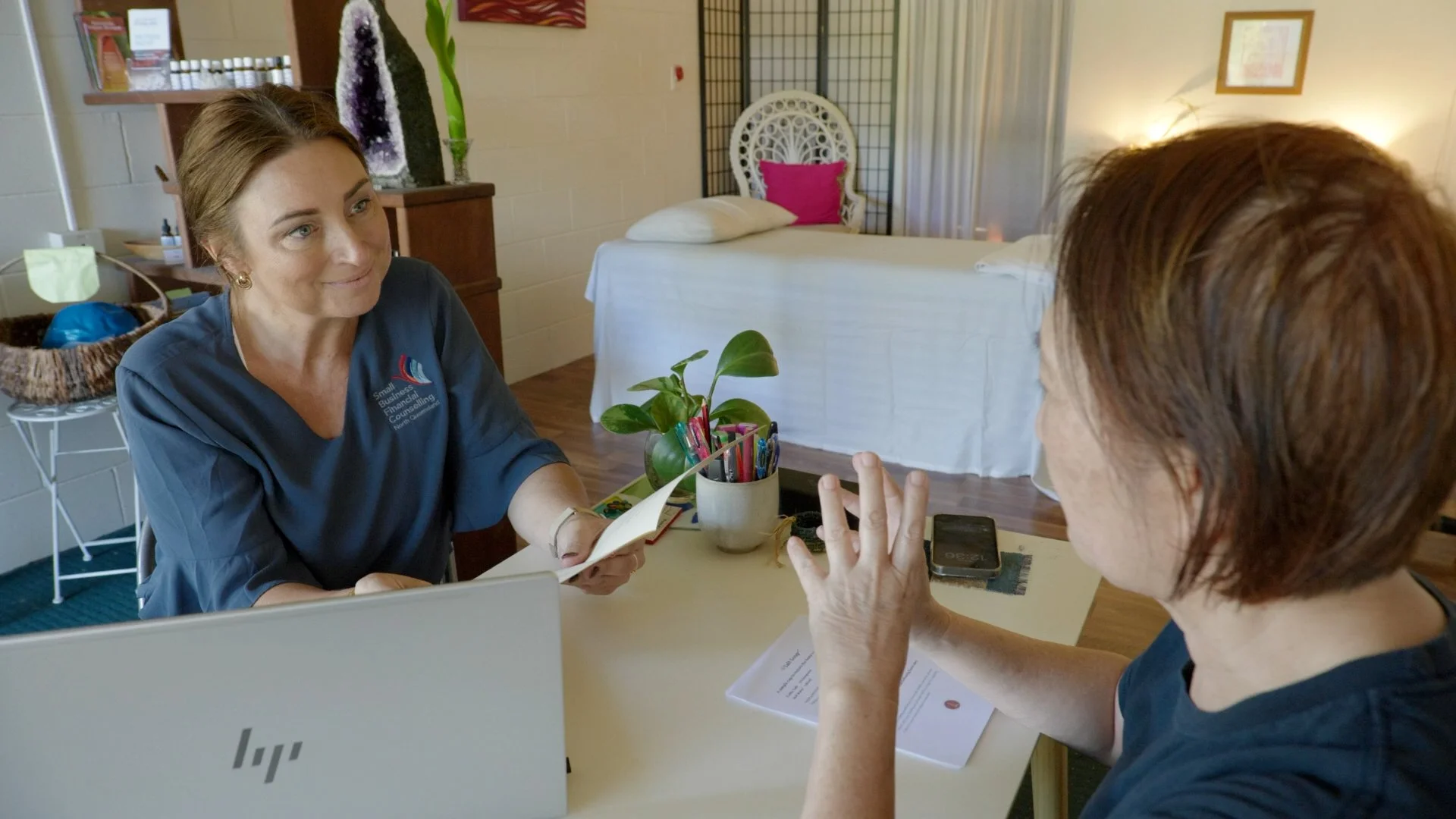
“To have someone who can walk beside me, who could talk straight business, was something really refreshing.”
Yoko is one of the many small business owners across the Cyclone Jasper impacted region to have accessed free support from our local Small Business Financial Counsellors, funded by the Australian and Queensland Governments under the Disaster Recovery Funding Arrangements - helping small businesses like Yoko at Mission build the resilience to move beyond Jasper and manage whatever the next season, or the next cyclone, brings.
For 27 years, Yoko Yasui has called Mission Beach home, first arriving as a skydiver before a very different calling took over.
Twenty-two years ago, she started Yoko at Mission, a massage and craniosacral therapy business that's grown with her from its first home in Bingil Bay to its current base in North Mission.
Over that time, Yoko has weathered her share of cyclones. “There's always going to be weather issues, big and small,” she said. “I was here for Larry, and then Yasi, and Jasper.” But it's not always the disaster event itself that does all of the damage.
“The side effect where, you know, the roads get closed and the tourists will get scared of coming... the information they get down south is like, you hit, it's disastrous, there's nothing left, sort of thing,” Yoko said. “So, we always get affected by what media will say, sadly, because people are fear-based.”
That fear-driven drop in visitors compounds a challenge Yoko already juggles every year: seasonality. Mission Beach's tourist season runs roughly three months, with numbers building from June and peaking through July, August and September, while January to March can be very quiet. Jasper hit in December, right as the region moved into its leanest months. While Yoko's own business wasn't hit hard directly by the cyclone, parts of Mission Beach flooded, the Bruce Highway was closed, and a year and a half of construction work in the area added another layer of disruption on top.
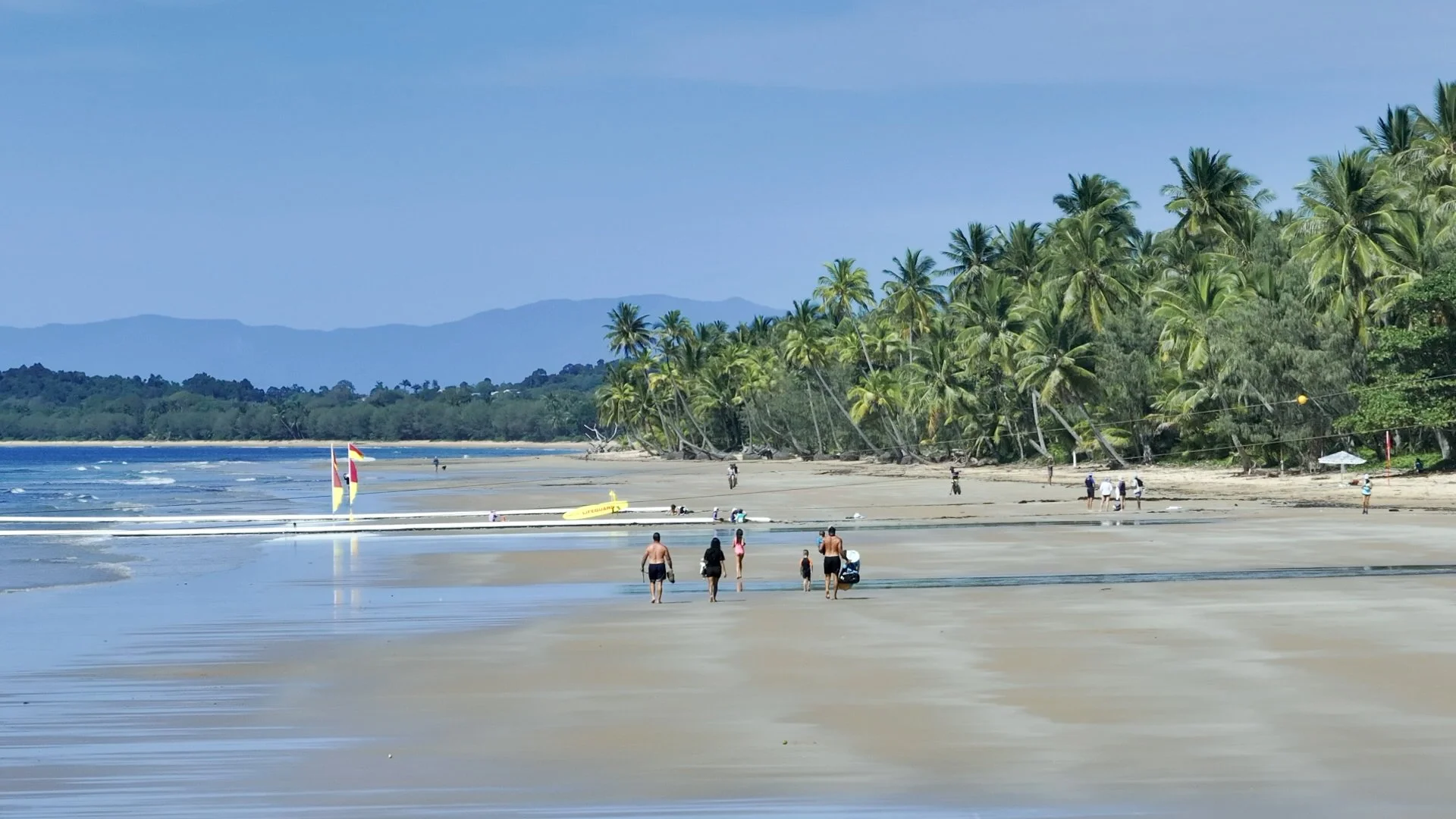
Mission Beach's tourist season runs from June and peaking through July, August and September, while January to March can be very quiet.
Yoko says she was in a better position than many of her neighbours. “Imagine if it was cafes, restaurants, fruit shops,” she said. “How can they plan? That's probably one of the trickiest parts here, you can't always plan, because you don't know when it's going to happen, how it gets affected, not just physically. It's mentally and emotionally too.”
Even so, Yoko has seen a familiar pattern play out after every cyclone she's lived through in Mission Beach. “When we have disaster, that's when people come together,” she said. “In a way, it's an opportunity to use that catastrophe to get the mojo up.”
Running a business alone for over two decades through those ups and downs takes its own toll, one Yoko says friends, however supportive, can't always help with. “What I needed was somebody who would give me constructive guidance,” she said.
That's where Small Business Financial Counsellor Kendell Thessman came in. “She actually gave me a list of things that they're supporting, and then I could see, okay, this is what I need. Can you help me with this?”
Working with Kendell opened the door to funding and, with it, an opportunity to rebrand. “It's a fresh start, and every opportunity is a new opportunity,” she said. “To have someone who can walk beside me, who could talk straight business, was something really refreshing.”
Yoko's advice for other small, sole-operator businesses navigating disaster and the seasons that follow it is simple: ask for help. “It's nothing wrong to say I need help here, because it is tough,” she said.
“We're only a small place and a small area, and there are a lot of things that we don't know and we can learn. They've got resources. Definitely reach out to Kendell and her team, because it's well worth it.”
Assistance provided through the jointly funded Commonwealth-state Disaster Recovery Funding Arrangements (DRFA).